
How Much Does a Video Commerce Tool Cost in 2026?
How Much Does a Video Commerce Tool Cost in 2026?
How Much Does a Video Commerce Tool Cost in 2026?
Jan 8, 2026
Jan 8, 2026
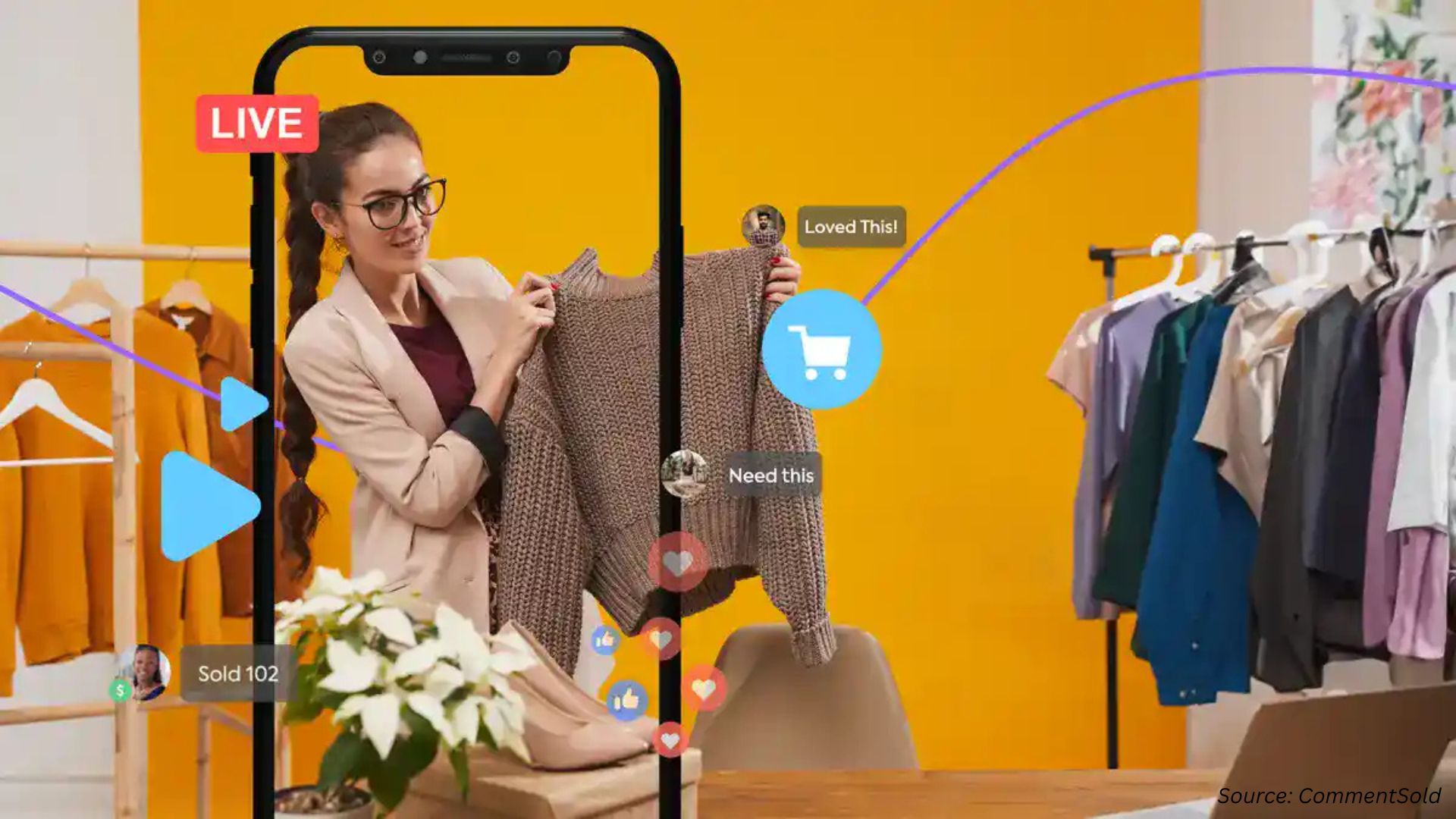
Wondering how much a video shopping tool costs in 2026? Explore pricing models, key cost drivers, and how live video shopping platforms help ecommerce brands improve conversions, reduce returns, and build customer trust.
How Much Does a Video Shopping Tool Cost in 2026?
As ecommerce brands compete for both attention and trust in 2026, video shopping tools have evolved from an experimental add-on into a core conversion-driving channel.
Search interest around video shopping tool cost has grown steadily as brands move from asking “What is live shopping?” to “How do we implement it sustainably and at scale?”
So, how much does a video shopping tool actually cost in 2026?
The short answer: there is no one-size-fits-all price.
The cost depends on how the tool is used, the scale of operations, and how deeply it integrates into your ecommerce ecosystem.
Let’s break it down:
What Is a Video Shopping Tool?
A video shopping tool enables customers to interact with brands through live or on-demand video during the shopping journey.
Most modern platforms support:
1:1 live video product demos
Real-time customer questions and guided assistance
Assisted buying that mimics in-store experiences
Instant add-to-cart or checkout during video interactions
Today, video shopping tools are positioned less as engagement features and more as conversion infrastructure, bridging the gap between browsing and confident buying.
How Video Shopping Tool Pricing Works in 2026
Unlike traditional SaaS products with rigid subscription tiers, video shopping tool cost is typically structured around usage, scale, and operational complexity.
Pricing models vary significantly across platforms because brands use video shopping in very different ways.
Some brands deploy it as:
A high-touch sales channel for high-consideration products
A support-led conversion tool
A post-click conversion layer for paid traffic
A retention and trust-building channel
Because of this, most platforms price video shopping tools based on how value is delivered, not just feature access.
Key Factors That Determine Video Shopping Tool Cost
1. Type of Video Experience
1:1 live video shopping generally costs more than one-to-many live streams due to:
Real-time infrastructure
Agent availability
Personalized customer interactions
Brands focused on high-intent buyers typically prioritize 1:1 experiences despite the higher cost due to stronger conversion impact.
2. Usage & Scale
Most platforms factor in:
Number of live sessions or video minutes
Concurrent agents or sales representatives
Monthly interaction volume
As usage increases, costs scale accordingly, making video shopping more of a performance-driven investment rather than a fixed expense.
3. Integrations & Data Tracking
Deeper integrations with:
Ecommerce platforms
CRMs
Analytics and attribution tools
Often influence pricing, but they also unlock clearer ROI measurement—helping brands tie video interactions directly to revenue and conversions.
4. Onboarding, Training & Support
Some tools include:
Dedicated onboarding
Agent training
Ongoing optimization support
While this may impact upfront cost, it significantly reduces operational friction and improves adoption across teams.
Is a Video Shopping Tool Worth the Cost?
Across fashion, beauty, electronics, furniture, and lifestyle categories, brands using video shopping tools consistently report:
Higher product understanding
Reduced pre-purchase hesitation
Faster buying decisions
Lower return rates
For high-consideration purchases, the ROI often comes not from increasing ad spend but from converting existing traffic more efficiently.
Video Shopping vs Traditional Ecommerce Costs
Traditional ecommerce growth often depends on:
Rising paid acquisition costs
Static product pages
Discounts to push conversions
A video shopping tool shifts the model from discount-led selling to clarity-led selling, helping brands build trust and reduce friction at critical decision points.
How Popin Approaches Video Shopping Pricing
Popin is designed as a scalable video shopping tool for growing ecommerce brands.
Instead of rigid pricing slabs, Popin aligns pricing with:
How brands deploy live video
Their operational scale
The value generated through real-time customer interactions
With Popin, brands can:
Enable 1:1 live video demos directly on their website
Answer real-time customer questions
Track conversions driven by live interactions
Build trust without aggressive discounting
This flexible approach reflects a broader industry shift toward modular, usage-aligned pricing models.
Download the Video Shopping Playbook
To understand how video shopping is implemented across different ecommerce use cases, you can explore our detailed overview.
👉 Download the Popin Video Shopping Brochure
Choosing the Right Video Shopping Tool in 2026
When evaluating video shopping tool cost, brands should look beyond price alone:
✔ Ease of integration
✔ Quality of live interactions
✔ Conversion tracking accuracy
✔ Customer experience impact
✔ Long-term scalability
The cheapest tool isn’t always effective and the most expensive isn’t always necessary.
Experience Video Shopping with Popin
If you’re evaluating video shopping tool cost for your brand in 2026, Popin helps turn live conversations into measurable revenue.
From fashion and beauty to electronics and lifestyle, Popin enables brands to sell with clarity, confidence, and human connection.
Wondering how much a video shopping tool costs in 2026? Explore pricing models, key cost drivers, and how live video shopping platforms help ecommerce brands improve conversions, reduce returns, and build customer trust.
How Much Does a Video Shopping Tool Cost in 2026?
As ecommerce brands compete for both attention and trust in 2026, video shopping tools have evolved from an experimental add-on into a core conversion-driving channel.
Search interest around video shopping tool cost has grown steadily as brands move from asking “What is live shopping?” to “How do we implement it sustainably and at scale?”
So, how much does a video shopping tool actually cost in 2026?
The short answer: there is no one-size-fits-all price.
The cost depends on how the tool is used, the scale of operations, and how deeply it integrates into your ecommerce ecosystem.
Let’s break it down:
What Is a Video Shopping Tool?
A video shopping tool enables customers to interact with brands through live or on-demand video during the shopping journey.
Most modern platforms support:
1:1 live video product demos
Real-time customer questions and guided assistance
Assisted buying that mimics in-store experiences
Instant add-to-cart or checkout during video interactions
Today, video shopping tools are positioned less as engagement features and more as conversion infrastructure, bridging the gap between browsing and confident buying.
How Video Shopping Tool Pricing Works in 2026
Unlike traditional SaaS products with rigid subscription tiers, video shopping tool cost is typically structured around usage, scale, and operational complexity.
Pricing models vary significantly across platforms because brands use video shopping in very different ways.
Some brands deploy it as:
A high-touch sales channel for high-consideration products
A support-led conversion tool
A post-click conversion layer for paid traffic
A retention and trust-building channel
Because of this, most platforms price video shopping tools based on how value is delivered, not just feature access.
Key Factors That Determine Video Shopping Tool Cost
1. Type of Video Experience
1:1 live video shopping generally costs more than one-to-many live streams due to:
Real-time infrastructure
Agent availability
Personalized customer interactions
Brands focused on high-intent buyers typically prioritize 1:1 experiences despite the higher cost due to stronger conversion impact.
2. Usage & Scale
Most platforms factor in:
Number of live sessions or video minutes
Concurrent agents or sales representatives
Monthly interaction volume
As usage increases, costs scale accordingly, making video shopping more of a performance-driven investment rather than a fixed expense.
3. Integrations & Data Tracking
Deeper integrations with:
Ecommerce platforms
CRMs
Analytics and attribution tools
Often influence pricing, but they also unlock clearer ROI measurement—helping brands tie video interactions directly to revenue and conversions.
4. Onboarding, Training & Support
Some tools include:
Dedicated onboarding
Agent training
Ongoing optimization support
While this may impact upfront cost, it significantly reduces operational friction and improves adoption across teams.
Is a Video Shopping Tool Worth the Cost?
Across fashion, beauty, electronics, furniture, and lifestyle categories, brands using video shopping tools consistently report:
Higher product understanding
Reduced pre-purchase hesitation
Faster buying decisions
Lower return rates
For high-consideration purchases, the ROI often comes not from increasing ad spend but from converting existing traffic more efficiently.
Video Shopping vs Traditional Ecommerce Costs
Traditional ecommerce growth often depends on:
Rising paid acquisition costs
Static product pages
Discounts to push conversions
A video shopping tool shifts the model from discount-led selling to clarity-led selling, helping brands build trust and reduce friction at critical decision points.
How Popin Approaches Video Shopping Pricing
Popin is designed as a scalable video shopping tool for growing ecommerce brands.
Instead of rigid pricing slabs, Popin aligns pricing with:
How brands deploy live video
Their operational scale
The value generated through real-time customer interactions
With Popin, brands can:
Enable 1:1 live video demos directly on their website
Answer real-time customer questions
Track conversions driven by live interactions
Build trust without aggressive discounting
This flexible approach reflects a broader industry shift toward modular, usage-aligned pricing models.
Download the Video Shopping Playbook
To understand how video shopping is implemented across different ecommerce use cases, you can explore our detailed overview.
👉 Download the Popin Video Shopping Brochure
Choosing the Right Video Shopping Tool in 2026
When evaluating video shopping tool cost, brands should look beyond price alone:
✔ Ease of integration
✔ Quality of live interactions
✔ Conversion tracking accuracy
✔ Customer experience impact
✔ Long-term scalability
The cheapest tool isn’t always effective and the most expensive isn’t always necessary.
Experience Video Shopping with Popin
If you’re evaluating video shopping tool cost for your brand in 2026, Popin helps turn live conversations into measurable revenue.
From fashion and beauty to electronics and lifestyle, Popin enables brands to sell with clarity, confidence, and human connection.
Let’s get started
Upgrade your online shopping with 1:1 video experiences.
Let’s get started
Upgrade your online shopping with 1:1 video experiences.

We believe better conversations lead to better conversions. Building to level up customer engagement.
Better conversations. Better conversions. Built to elevate customer engagement.
We believe better conversations lead to better conversions. Building to level up customer engagement.
We believe better conversations lead to better conversions. Building to level up customer engagement.