
Live Commerce vs Chatbots: Which Drives Better Ecommerce Conversions in 2026?
Live Commerce vs Chatbots: Which Drives Better Ecommerce Conversions in 2026?
Live Commerce vs Chatbots: Which Drives Better Ecommerce Conversions in 2026?
May 27, 2026
May 27, 2026
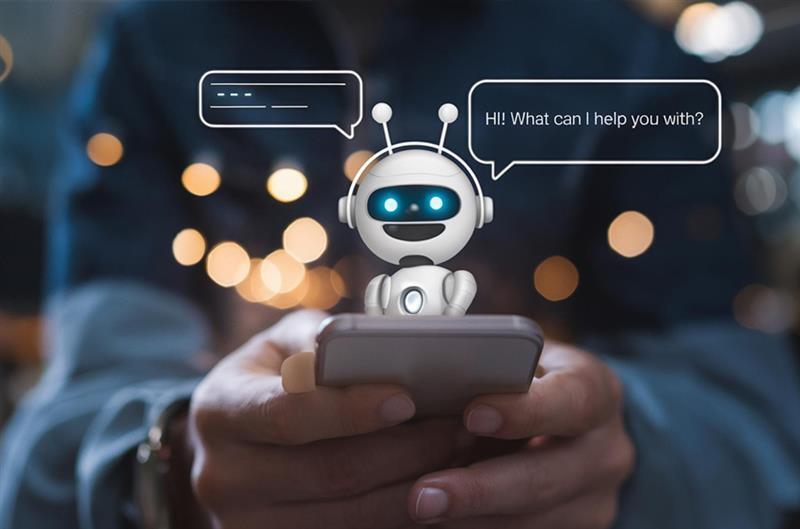
Live Conversations about Product with in-store sales agent vs Chatbot's automated messages : discover which delivers better ecommerce conversions, stronger customer engagement, reduced returns, and higher trust in modern e-commerce world.
Ecommerce brands have spent years automating customer interactions.
From:
Chatbots
Automated FAQs
AI support systems
Self-serve journeys
The goal was simple:
Scale customer support while reducing costs.
But in 2026, ecommerce is facing a new challenge:
Customers want more clarity before buying.
And that’s where the debate between Live Commerce vs Chatbots becomes important.
Because while automation improves efficiency, it does not always improve conversions.
Today, brands are asking:
What actually helps customers buy with confidence?
What Are Chatbots in Ecommerce?
Chatbots are automated systems designed to assist customers through text-based interactions.
They help with:
Answering FAQs
Tracking orders
Product recommendations
Basic customer support
Routing queries
Modern AI chatbots have become smarter and faster.
They reduce operational workload and provide instant responses.
For simple queries, chatbots work well.
But ecommerce buying decisions are often emotional and visual — not just informational.
That’s where limitations begin.
What Is Live Commerce?
Live commerce integrates real-time human interaction into online shopping.
Instead of static browsing, customers can:
Watch live product demos
Ask questions instantly
Connect with store experts
Join 1:1 video consultations
Get personalized recommendations
It recreates the confidence of in-store shopping online.
The difference is significant:
Chatbots automate support.
Live commerce guides decisions.
Live Commerce vs Chatbots: The Core Difference
The biggest difference comes down to one thing:
Information vs Confidence
Chatbots provide information.
Live commerce provides confidence.
A chatbot can explain:
Product specifications
Shipping timelines
Return policies
But live commerce can show:
Fabric texture
Product fit
Real product scale
Usage demonstrations
Human reassurance
And confidence is what drives conversions.
Why Chatbots Alone Often Fail to Convert
Chatbots are useful for operational efficiency.
But they struggle in high-consideration purchases where customers hesitate before buying.
For example:
Fashion sizing
Luxury products
Furniture dimensions
Beauty shade matching
Electronics setup
Customers do not just want answers.
They want validation.
This is why many brands see:
Cart abandonment
Higher return rates
Decision fatigue
Lower conversion despite traffic
Automation cannot fully replace human reassurance.
Why Live Commerce Improves Conversions
When comparing Live Commerce vs Chatbots, live commerce performs better because it removes uncertainty in real time.
1. Real-Time Product Clarity
Customers can see products live instead of relying only on edited product images.
This improves trust instantly.
2. Human Interaction Builds Confidence
People buy faster when they feel guided.
A real expert answering questions creates reassurance that automated systems cannot replicate.
3. Faster Decision-Making
Live commerce shortens the buying journey.
Instead of:
Browse → doubt → leave
It becomes:
Browse → ask → trust → purchase
4. Reduced Returns & Exchanges
Many ecommerce returns happen because customer expectations do not match reality.
Live demonstrations reduce misunderstanding before purchase.
Where Chatbots Still Add Value
The comparison between Live Commerce vs Chatbots is not about eliminating automation completely.
Chatbots still play an important role in:
Order tracking
Instant FAQs
Support availability
Lead qualification
Basic assistance at scale
The strongest ecommerce experiences combine:
AI efficiency + human interaction
Not one replacing the other.
The Best Ecommerce Strategy in 2026
Winning brands are no longer choosing between:
Human or automation.
They are combining both strategically.
For example:
Chatbots handle repetitive queries
Live commerce handles buying decisions
This creates:
Faster support
Better customer experience
Higher conversion efficiency
Stronger customer trust
The future is hybrid commerce.
Live Commerce vs Chatbots: Which Is Better for Conversion?
If the goal is:
Faster support → Chatbots help
Better buying confidence → Live commerce wins
Higher conversion rates → Live commerce performs better
Reduced returns → Live commerce performs better
Emotional connection → Live commerce wins
Chatbots improve efficiency.
Live commerce improves purchase confidence.
And confidence is what drives revenue.
Why Ecommerce Is Becoming More Human Again
After years of automation-first ecommerce, brands are realizing something important:
Customers do not want endless self-serve experiences.
They want:
Guidance
Reassurance
Real interaction
Transparency
Especially in high-value or high-consideration purchases.
This shift is why live commerce adoption is accelerating globally.
Because the future of ecommerce is not just digital.
It is interactive.
Final Thoughts
The debate around Live Commerce vs Chatbots is not really about technology.
It is about customer psychology.
Automation helps customers navigate.
Human interaction helps customers decide.
And in ecommerce, decisions drive conversions.
The brands winning in 2026 are those creating:
Interactive shopping experiences
Real-time customer engagement
Guided buying journeys
Human-centered ecommerce
Because better conversations still lead to better conversions.
Ready to move beyond static ecommerce experiences?
Popin helps brands integrate live video shopping and real-time customer interactions directly into their online stores — helping increase conversions, reduce returns, and build stronger customer trust.
👉 Explore Live Commerce with Popin
👉 Book a demo to see it in action
Live Conversations about Product with in-store sales agent vs Chatbot's automated messages : discover which delivers better ecommerce conversions, stronger customer engagement, reduced returns, and higher trust in modern e-commerce world.
Ecommerce brands have spent years automating customer interactions.
From:
Chatbots
Automated FAQs
AI support systems
Self-serve journeys
The goal was simple:
Scale customer support while reducing costs.
But in 2026, ecommerce is facing a new challenge:
Customers want more clarity before buying.
And that’s where the debate between Live Commerce vs Chatbots becomes important.
Because while automation improves efficiency, it does not always improve conversions.
Today, brands are asking:
What actually helps customers buy with confidence?
What Are Chatbots in Ecommerce?
Chatbots are automated systems designed to assist customers through text-based interactions.
They help with:
Answering FAQs
Tracking orders
Product recommendations
Basic customer support
Routing queries
Modern AI chatbots have become smarter and faster.
They reduce operational workload and provide instant responses.
For simple queries, chatbots work well.
But ecommerce buying decisions are often emotional and visual — not just informational.
That’s where limitations begin.
What Is Live Commerce?
Live commerce integrates real-time human interaction into online shopping.
Instead of static browsing, customers can:
Watch live product demos
Ask questions instantly
Connect with store experts
Join 1:1 video consultations
Get personalized recommendations
It recreates the confidence of in-store shopping online.
The difference is significant:
Chatbots automate support.
Live commerce guides decisions.
Live Commerce vs Chatbots: The Core Difference
The biggest difference comes down to one thing:
Information vs Confidence
Chatbots provide information.
Live commerce provides confidence.
A chatbot can explain:
Product specifications
Shipping timelines
Return policies
But live commerce can show:
Fabric texture
Product fit
Real product scale
Usage demonstrations
Human reassurance
And confidence is what drives conversions.
Why Chatbots Alone Often Fail to Convert
Chatbots are useful for operational efficiency.
But they struggle in high-consideration purchases where customers hesitate before buying.
For example:
Fashion sizing
Luxury products
Furniture dimensions
Beauty shade matching
Electronics setup
Customers do not just want answers.
They want validation.
This is why many brands see:
Cart abandonment
Higher return rates
Decision fatigue
Lower conversion despite traffic
Automation cannot fully replace human reassurance.
Why Live Commerce Improves Conversions
When comparing Live Commerce vs Chatbots, live commerce performs better because it removes uncertainty in real time.
1. Real-Time Product Clarity
Customers can see products live instead of relying only on edited product images.
This improves trust instantly.
2. Human Interaction Builds Confidence
People buy faster when they feel guided.
A real expert answering questions creates reassurance that automated systems cannot replicate.
3. Faster Decision-Making
Live commerce shortens the buying journey.
Instead of:
Browse → doubt → leave
It becomes:
Browse → ask → trust → purchase
4. Reduced Returns & Exchanges
Many ecommerce returns happen because customer expectations do not match reality.
Live demonstrations reduce misunderstanding before purchase.
Where Chatbots Still Add Value
The comparison between Live Commerce vs Chatbots is not about eliminating automation completely.
Chatbots still play an important role in:
Order tracking
Instant FAQs
Support availability
Lead qualification
Basic assistance at scale
The strongest ecommerce experiences combine:
AI efficiency + human interaction
Not one replacing the other.
The Best Ecommerce Strategy in 2026
Winning brands are no longer choosing between:
Human or automation.
They are combining both strategically.
For example:
Chatbots handle repetitive queries
Live commerce handles buying decisions
This creates:
Faster support
Better customer experience
Higher conversion efficiency
Stronger customer trust
The future is hybrid commerce.
Live Commerce vs Chatbots: Which Is Better for Conversion?
If the goal is:
Faster support → Chatbots help
Better buying confidence → Live commerce wins
Higher conversion rates → Live commerce performs better
Reduced returns → Live commerce performs better
Emotional connection → Live commerce wins
Chatbots improve efficiency.
Live commerce improves purchase confidence.
And confidence is what drives revenue.
Why Ecommerce Is Becoming More Human Again
After years of automation-first ecommerce, brands are realizing something important:
Customers do not want endless self-serve experiences.
They want:
Guidance
Reassurance
Real interaction
Transparency
Especially in high-value or high-consideration purchases.
This shift is why live commerce adoption is accelerating globally.
Because the future of ecommerce is not just digital.
It is interactive.
Final Thoughts
The debate around Live Commerce vs Chatbots is not really about technology.
It is about customer psychology.
Automation helps customers navigate.
Human interaction helps customers decide.
And in ecommerce, decisions drive conversions.
The brands winning in 2026 are those creating:
Interactive shopping experiences
Real-time customer engagement
Guided buying journeys
Human-centered ecommerce
Because better conversations still lead to better conversions.
Ready to move beyond static ecommerce experiences?
Popin helps brands integrate live video shopping and real-time customer interactions directly into their online stores — helping increase conversions, reduce returns, and build stronger customer trust.
👉 Explore Live Commerce with Popin
👉 Book a demo to see it in action
Let’s get started
Upgrade your online shopping with 1:1 video experiences.
Let’s get started
Upgrade your online shopping with 1:1 video experiences.

We believe better conversations lead to better conversions. Building to level up customer engagement.
Better conversations. Better conversions. Built to elevate customer engagement.
We believe better conversations lead to better conversions. Building to level up customer engagement.
We believe better conversations lead to better conversions. Building to level up customer engagement.